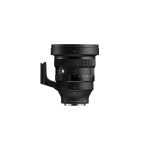
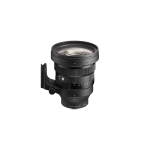
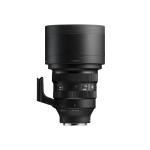
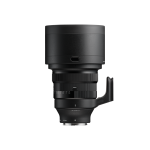
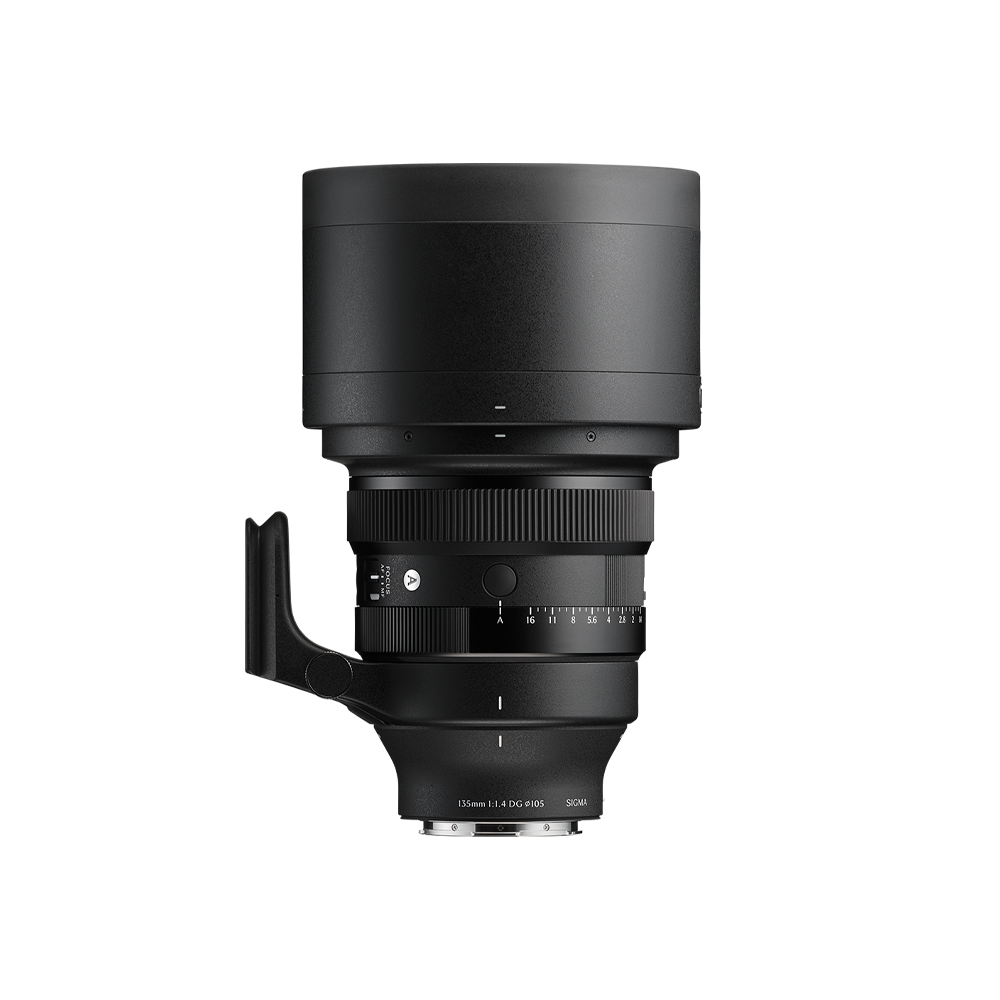
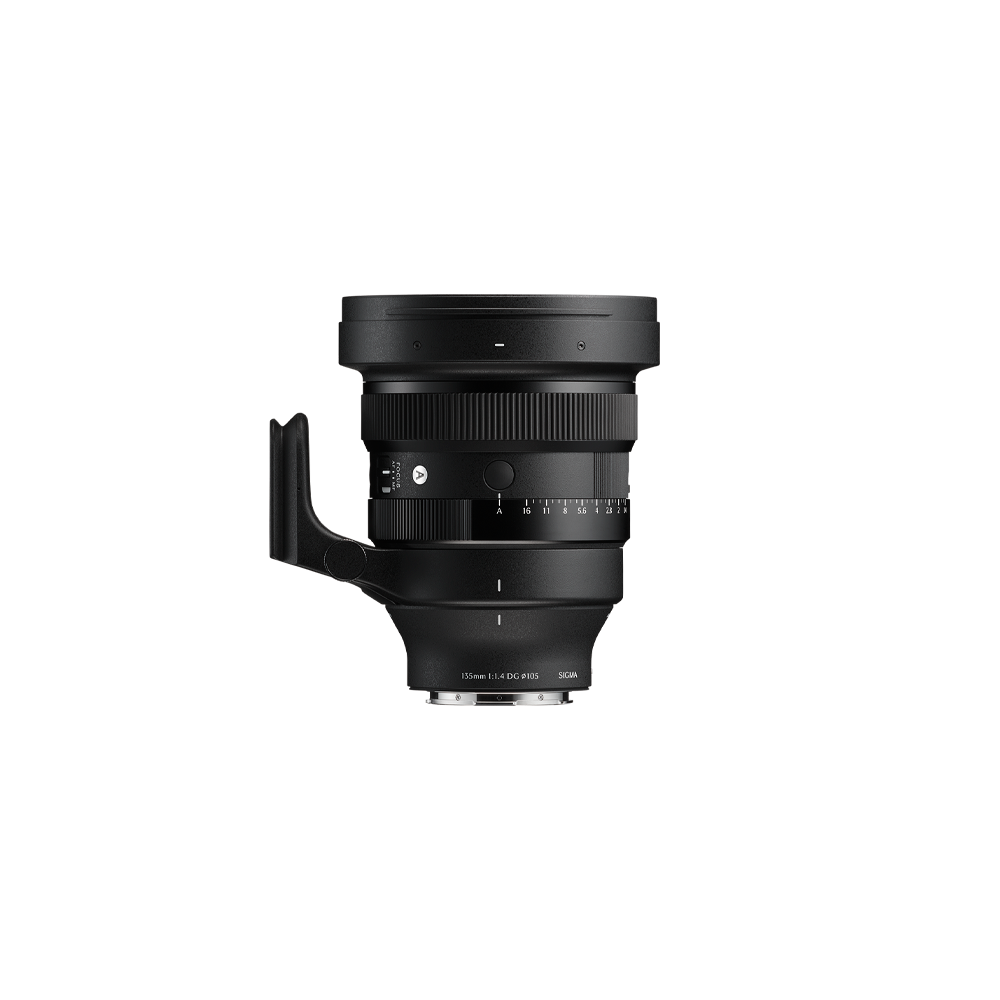
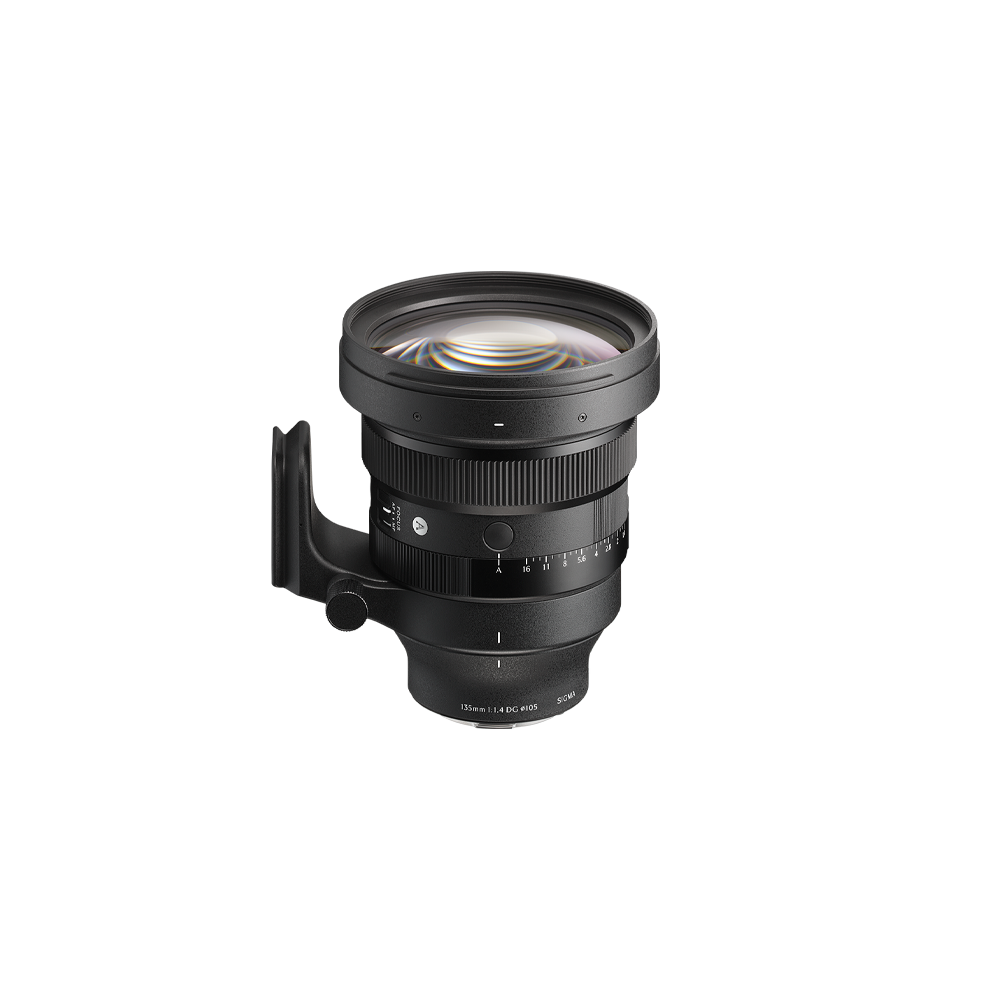
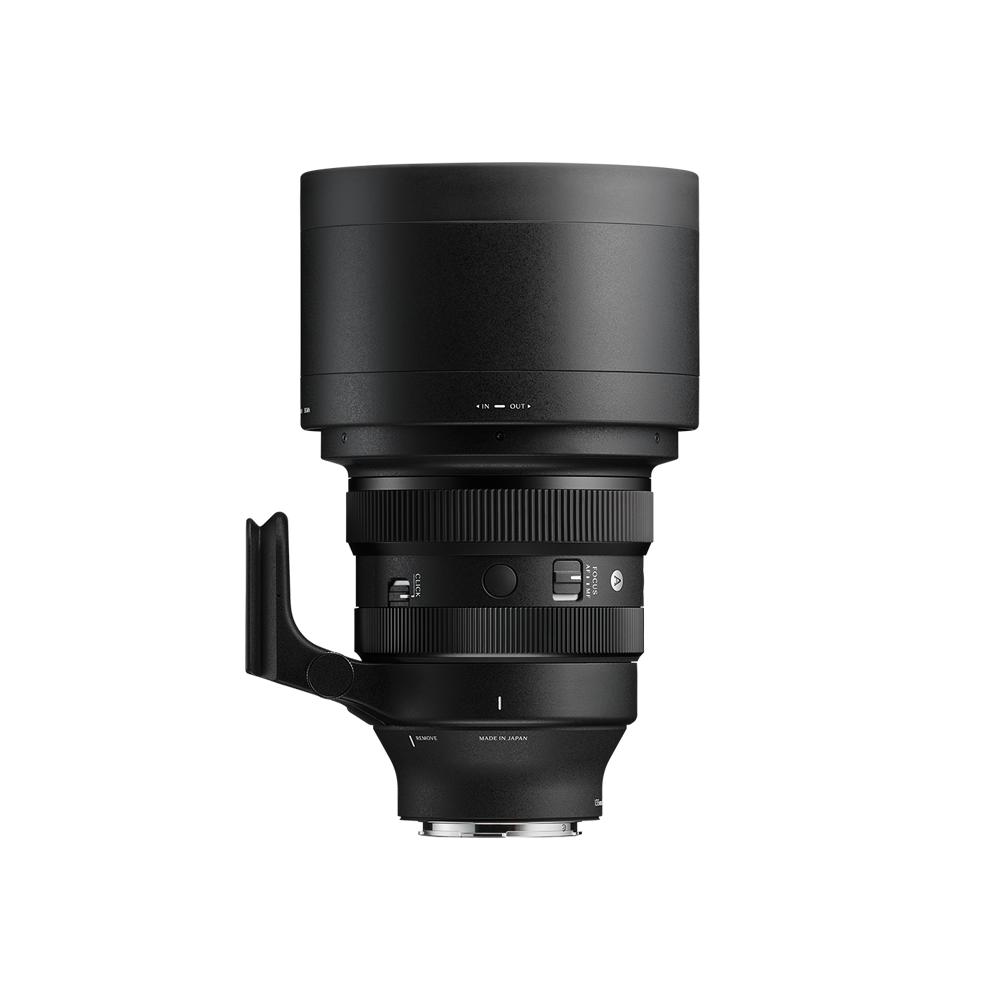
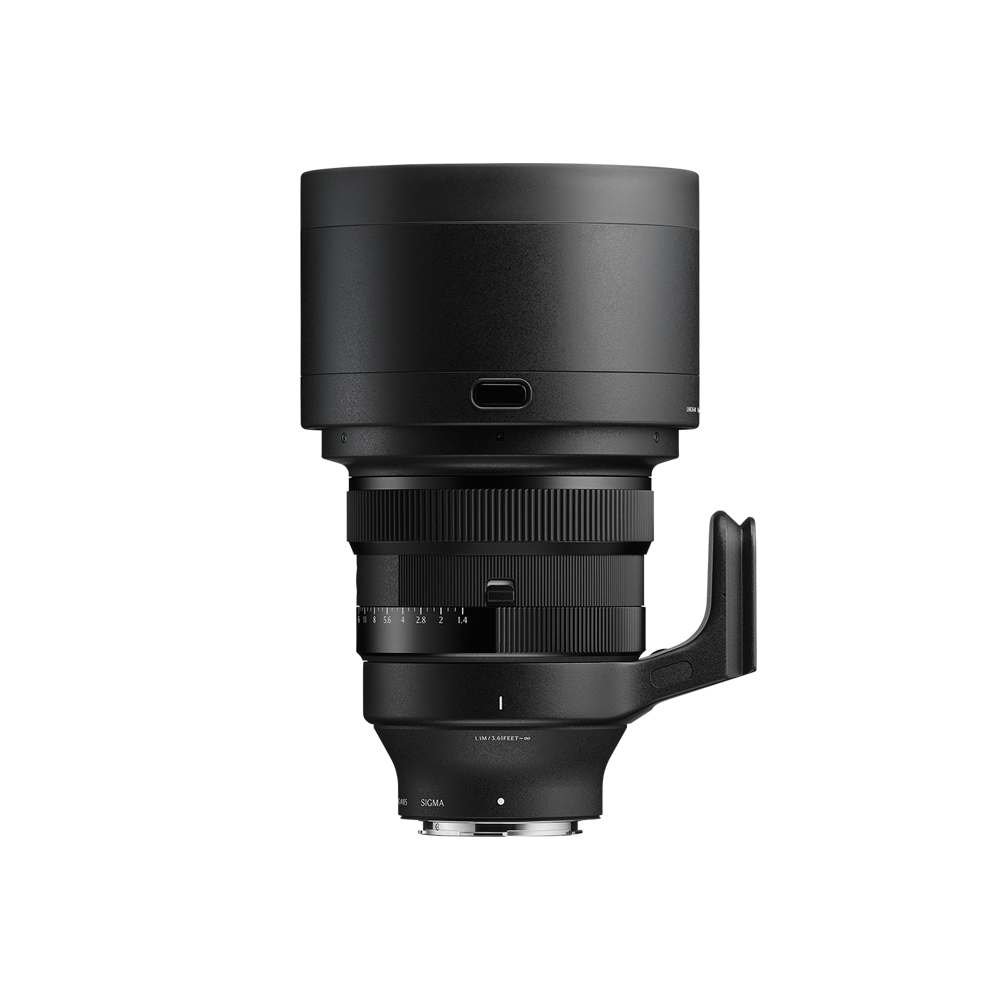
A025
The three-digit code on the surface of the lens is to indicate the year the lens was first released. (Since it is different from the year of manufacture, the release year and edition number may not match depending on the mount.)
* This product is developed, manufactured and sold based on the specifications of E-mount which was disclosed by Sony Corporation under the license agreement with Sony Corporation.
* L-Mount is a registered trademark of Leica Camera AG.
The most notable feature of the Sigma 135mm F1.4 DG | Art is its extremely large bokeh. The effective aperture diameter*1 of the 135mm F1.4 lens produces exceptional bokeh, which is larger than that of the Sigma 105mm F1.4 DG HSM | Art known as “Bokeh Master,” and is comparable to that of the Sigma 200mm F2 DG OS | Sports.
The natural perspective unique to 135mm, together with its overwhelming bokeh, highlights the subject and creates dimensional portraits achievable only with this lens.
*1 The effective aperture diameter is calculated by dividing the focal length by the F-number. It refers to the diameter of the light beam that forms an image at the center of the image sensor. A larger effective aperture results in a shallower depth of field and more pronounced bokeh.
In addition to a dust- and splash-resistant structure, the front element of the lens features a water- and oil-repellent coating, allowing photographers to shoot without concerns even in harsh outdoor environments.
*1 The structure is designed to be dust- and splash- resistant, but not waterproof. Be careful not to bring the lens in contact with a large amount of water. Water inside the lens may cause major damage and even render the lens unrepairable.
Metal components such as aluminum and magnesium alloys are combined with engineering plastics like TSC*2, strategically placed throughout the construction. This balances the durability required to support the optical system of a large-diameter lens with the lightweight design necessary for comfortable handling. The Art line offers remarkable rigidity, durability, and build quality for long-term reliability as a tool of expression.
*2 TSC (Thermally Stable Composite) is a type of polycarbonate with a thermal expansion rate similar to that of aluminium. It has a high affinity to metal parts, which contributes to high quality product manufacturing.


*Although this construction allows the lens to be used in light rain, it is not the same as being waterproof, so please prevent large amounts of water from splashing on the lens. It is often impractical to repair the internal mechanism, lens elements and electric components if they are damaged by water.